
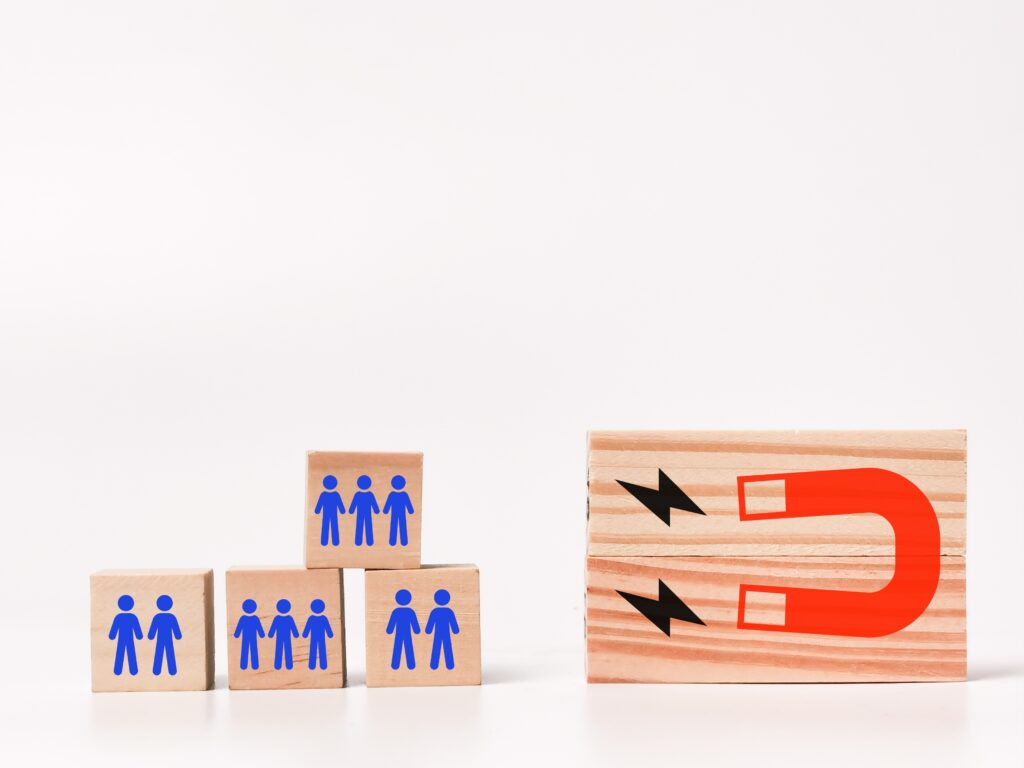
Many customers can recall a time when a simple gesture—such as a warm greeting or a thoughtful follow-up—made them feel genuinely appreciated. These moments often leave a deeper impression than any major campaign or incentive because they feel real, personal, and human.
Businesses often focus on large-scale initiatives, but what truly strengthens loyalty are the everyday interactions customers remember. And that’s where customer retention strategies prove their worth. When simple touchpoints become thoughtful experiences, loyalty starts to build itself.
The challenge is that many brands underestimate the power of human-centered interactions. Customers aren’t just looking for efficiency—they’re looking for recognition, comfort, and reliability.
When a brand pays attention to the smallest details, it communicates something bigger: “You matter here.” That emotional connection becomes the glue that keeps customers coming back again and again.
Why Small Interactions Carry Big Influence
Not every impactful customer moment begins with a major gesture. Often, the experiences that stay with people are the ones that feel genuine, simple, and personal. Small interactions move the needle because they happen frequently—they form the rhythm of a customer’s relationship with a brand. Here are the key ways these small moments create meaningful impact:
- They are more believable than grand gestures because they feel natural and unforced.
- They form positive emotional associations that shape long-term perception.
- They influence trust through consistency, showing reliability over time.
- They help customers feel seen rather than managed, reinforcing genuine connection.
The Human Psychology Behind Retention
Humans are wired to respond to connection and predictability. When a brand consistently meets a customer’s needs—not just functionally but emotionally—it sets the stage for long-term loyalty. Here, genuine care becomes a familiar anchor that customers naturally gravitate toward.
Customers stay with brands that make life easier, reduce stress, or provide a sense of familiarity. These psychological benefits become powerful anchors in the customer relationship. That’s why understanding how to improve customer retention hinges on prioritizing ease, transparency, and human warmth.
Below are seven practices used by leading brands to build trust and deepen connection through simplicity:
1. Prioritize Warm, Human Communication
Before customers judge a product or service, they judge the way they’re treated. Great brands focus on communicating with clarity and genuine care, making every interaction feel grounded and human. Here, communication becomes a subtle signal of respect and reliability.
What this looks like:
- Using reassuring and friendly language helps customers feel safe and valued in every exchange.
- Listening actively instead of rushing the interaction shows that their concerns and experiences genuinely matter.
- Acknowledging feelings, not just questions, creates space for trust and reinforces emotional connection.
A simple tone shift can transform a routine exchange into something memorable, encouraging customers to view the brand as approachable and genuine.
2. Deliver Consistency Across Every Touchpoint
When interactions look, feel, and function the same across channels, customers build confidence in the brand. Consistency removes the guesswork, which naturally builds trust and creates a sense of ease. This predictability becomes part of the customer’s comfort zone.
Where consistency matters:
- In-person conversations ensure customers receive familiar, reliable treatment regardless of who assists them.
- Digital conversations reinforce the same tone and helpfulness customers expect from in‑person experiences.
- Service responses are dependable when they follow a consistent structure and clarity across all situations.
- Policies and expectations provide stability when they are applied fairly and communicated clearly.
When consistency becomes a standard instead of a goal, customers learn they can rely on the brand without hesitation.
3. Offer Micro-Conveniences That Simplify Life
Micro-conveniences are small but meaningful gestures that reduce effort for the customer. They show foresight and care—two qualities customers remember long after the moment passes. These small assists often remove friction that customers didn’t even realize they were carrying.
Examples:
- Saving frequently used preferences helps customers avoid repeating themselves and speeds up future interactions.
- Providing quick guidance instead of lengthy instructions makes problem‑solving feel smooth and manageable.
- Offering small accommodations that save time shows that the brand values the customer’s day as much as its own operations.
These thoughtful touches accumulate, making customers feel supported in ways that deepen trust and appreciation.
4. Close the Loop After Every Interaction
Follow-ups show attentiveness. They reassure customers that they weren’t just another transaction but a relationship worth maintaining. These moments of closing the loop build a sense of continuity that customers value.
Effective follow-up ideas:
- Sending a brief “just checking in” message shows the customer is still top of mind after the interaction ends.
- Providing a quick confirmation that an issue was resolved gives customers peace of mind.
- Offering a sincere thank-you after a purchase or meeting is a personal and genuine way to reinforce appreciation.
These small gestures often influence long-term loyalty more than incentives because they signal ongoing care.
5. Turn Service Recovery Into Loyalty Growth
Mistakes happen—but recovery is where loyalty solidifies. Customers judge brands more by how they respond to problems than by the problem itself. A thoughtful recovery process shows integrity and commitment.
Strong recovery steps:
- Owning the issue immediately demonstrates accountability and prevents frustration from escalating.
- Communicating clearly and often keeps customers informed and reassured throughout the process.
- Offering a fair fix without resistance shows a willingness to make things right without adding friction.
When recovery is handled with sincerity and respect, customers often become more loyal than they were before the issue occurred.
6. Personalize Without Overwhelming
Personalization should feel supportive—not intrusive. Leading brands focus on relevance rather than volume, giving customers what they need without overstepping boundaries. When done well, personalization feels like attentiveness—not algorithmic overreach.
Simple personalization strategies:
- Addressing customers by name appropriately fosters a sense of familiarity without feeling forced.
- Recommending only what’s truly helpful respects their time and reduces decision fatigue.
- Respecting boundaries and maintaining a suitable communication frequency ensures that personalization feels considerate rather than excessive.
When personalization prioritizes the customer’s comfort, it strengthens the relationship rather than straining it.
7. Celebrate Customer Milestones and Moments
Celebrating meaningful moments humanizes the relationship. When brands acknowledge milestones, customers feel recognized, valued, and seen as more than account numbers. These moments turn routine interactions into shared experiences.
Meaningful moments to celebrate:
- Recognizing anniversaries shows customers that their long-term commitment is noticed and appreciated.
- Highlighting loyalty milestones gives customers a sense of accomplishment and a sense of belonging.
- Acknowledging service or purchase achievements adds a personal touch that deepens the emotional bond.
These thoughtful touches show appreciation and spark connection. They also reinforce the value that shows up in your customer retention metrics, making the relationship stronger and more meaningful over time.
The Tangible Benefits of Human-Centered Retention
Great interactions don’t just feel good—they drive real business outcomes. When brands commit to simple, meaningful engagement, the impact reaches far beyond satisfaction scores. The following are the core benefits that naturally emerge when brands prioritize human-centered retention:
- Higher Customer Lifetime Value (CLV): Loyal customers spend more, stay longer, and contribute to more predictable revenue over time.
- Reduced Churn: Positive relationships make switching less appealing, lowering the cost and disruption of constantly replacing customers.
- Stronger Advocacy: Customers share brands that consistently treat them well, strengthening word-of-mouth momentum and organic referrals.
- Operational Clarity: Teams know what excellent service looks and feels like, bringing consistency and confidence to daily decision-making.
- Improved Culture: Employees naturally adopt customer-first habits, creating a workplace where empathy, collaboration, and service excellence thrive.
Human-centered touchpoints also provide insights into patterns that can help improve customer retention across teams, channels, and operations. These insights help leaders identify what strengthens loyalty and where minor adjustments can make a meaningful difference.
Create Moments That Keep Customers Close
Small moments shape the customer experience more than most brands realize. When teams prioritize meaningful interactions, consistency, and genuine connections, loyalty naturally grows, thereby strengthening customer retention strategies over time. Long-term retention isn’t built through one major campaign—it’s built through the hundreds of moments that make customers feel supported and valued.
A brand’s ability to elevate simple interactions stems from a commitment to prioritizing people. When that mindset becomes part of everyday culture, customer confidence strengthens—and loyalty follows.
Synaptic specializes in helping organizations create the systems, training, and frameworks that turn these principles into practical, repeatable experiences for customers. We empower teams to deliver meaningful, consistent interactions that strengthen loyalty at every stage of the customer journey.
Let’s elevate the way your team builds connection—reach out today!